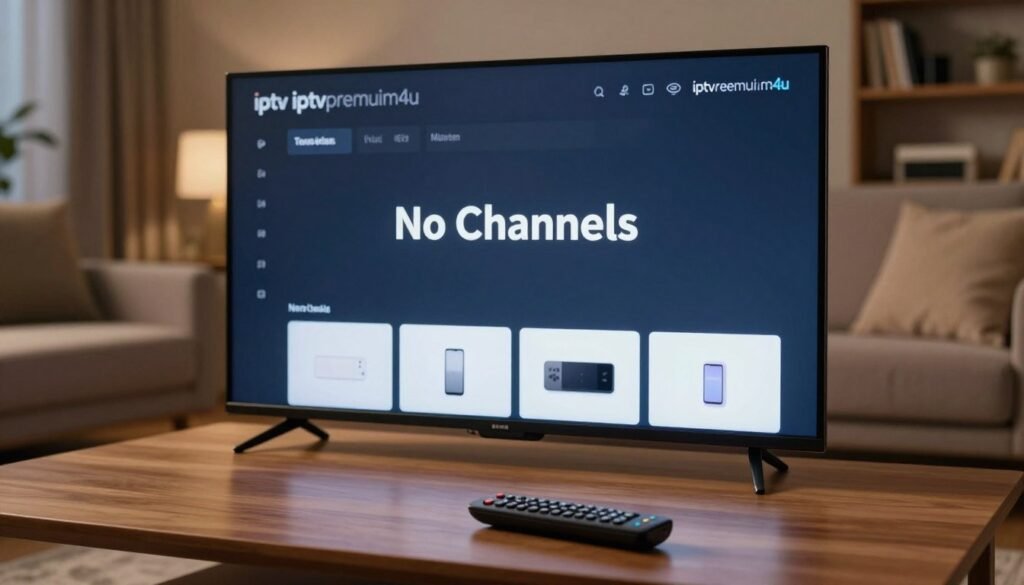
If your IPTV shows no channels or your playlist is empty, you’re not alone. Many users face issues like iptv no channels, no channels on iptv, or iptv not showing channels. This guide will help you fix these problems quickly and easily.
Common reasons include slow internet, server outages, app bugs, and device compatibility issues. You’ll find simple checks and quick fixes for Fire TV/Firestick, Smart TVs, Android devices, and iOS. These solutions address buffering, black screens, login errors, app crashes, and connection drops.
Begin with basic checks: ensure your internet speed is good (15–20 Mbps or more for HD streaming), restart your device and router, and check if your subscription is active. If your ISP blocks IPTV, using a VPN can help.
Later, you’ll learn device-specific steps and a recommendation for a stable provider. For a better experience, consider IPTVPremuim4U. It offers high uptime and consistent streams. Try a reliable IPTV service; Upgrade your IPTV experience; Get a reliable IPTV subscription.
Table of Contents
Key Takeaways
- Check internet speed first—15–20 Mbps minimum for HD streaming.
- Restart your device and router to clear temporary glitches.
- Confirm subscription and account status before troubleshooting apps.
- Use a VPN when ISP throttling or regional blocks cause no channels on iptv.
- For consistent performance, consider a stable provider like IPTVPremuim4U.
Understanding the IPTV No Channels Issue
When your playlist shows empty or channels drop out, it’s important to understand IPTV. IPTV stands for Internet Protocol Television. It streams live TV and on-demand content over the internet, not through traditional systems. Apps like IPTV Smarters and TiviMate are popular for accessing IPTV services.
What is IPTV?
IPTV uses internet streams to deliver channels and video files. You can watch on Android boxes, smart TVs, Fire TV, or mobile devices. Streams often use M3U lists, portal URLs, or Xtream Codes to authenticate and load channel lists.
Why Do Channels Disappear?
Channels can vanish for many reasons. Expired subscriptions or changed M3U and login links can remove channels. Server maintenance or overload can also drop streams, often during big events or peak hours.
Geo-blocking, ISP throttling, or network errors can cause iptv channel errors. Changes upstream may remove individual channels while others stay.
If missing channels are accompanied by buffering or freezing, check our IPTV Buffering Guide for additional troubleshooting steps.
IPTV No Channels: Common Causes of IPTV Issues
Knowing the cause helps you find the solution. Here are common problems and how they affect your service.
- Insufficient internet speed — Less than 15–20 Mbps can cause buffering or channels not working.
- Weak Wi‑Fi signal — A crowded 2.4 GHz band or distance from the router can interrupt streams.
- Device conflicts or full cache — Old app cache, incompatible firmware, or low device resources may cause errors.
- Corrupted playlists — Broken M3U files or outdated Xtream Codes links can make channels disappear.
- Expired or blocked credentials — Lapsed or blocked accounts can remove channels immediately.
- Provider server maintenance or overload — High-traffic events can overwhelm servers and cause outages.
- ISP-level blocking or throttling — Your ISP may restrict streaming traffic; testing on mobile data can reveal this.
| Cause | Typical Sign | Quick Test |
|---|---|---|
| Low bandwidth | Buffering or missing channels | Run a speed test; try 20 Mbps or more |
| Wi‑Fi interference | Intermittent drops on multiple devices | Switch to 5 GHz or use Ethernet |
| Corrupted playlist | Empty channel list or errors on load | Reload M3U or re-enter portal details |
| Account issues | Authentication errors or locked channels | Verify subscription status with provider |
| Provider outage | Many users affected; official notice | Check provider status or try later |
| ISP throttling | Works on mobile data, not on home ISP | Test on cellular network for comparison |
Troubleshooting Your IPTV Service
If your channels disappear or your feed stutters, a few quick checks often restore service. Start with basic steps that fix many problems before digging into advanced diagnostics. These actions address the most common causes when IPTV is not working and when IPTV not showing channels.
Restarting your device
First, power-cycle your IPTV device and router. Unplug the router for at least 60 seconds, wait for the indicator lights to stabilize, then plug it back in. After the router restarts, reboot your Android box, Smart TV, Fire TV Stick, or other device. Simple restarts resolve over 50% of connectivity and streaming faults.
Close the IPTV app before rebooting. Go to Settings > Apps, select the app (example: IPTV Smarters or TiviMate), and clear cache. If the app crashes or IPTV not showing channels after cache clear, uninstall the app and reinstall it from Google Play, Amazon Appstore, or the TV’s app store.
Check firmware on your device after reinstalling. Fire TV and Smart TV firmware updates often fix playback bugs. Keep the operating system and the IPTV app up to date to reduce future need to fix iptv channel issue manually.
Checking your internet connection
Run a speed test on the same network to confirm bandwidth. Aim for 15–20 Mbps for a single HD stream. Higher speeds are needed for multiple concurrent streams. Low bandwidth often makes IPTV not working or IPTV not showing channels properly.
If Wi‑Fi speeds are low, move closer to the router, switch to the 5 GHz band, or connect via Ethernet for a wired connection. Test your provider by running the IPTV app on a smartphone using mobile data or a hotspot. If streams work on mobile data but not your home network, your ISP may be blocking or throttling IPTV traffic.
Consider a VPN to bypass ISP throttling. Use a reputable VPN provider, connect to a nearby server for lower latency, and test playback again. A VPN can help troubleshoot iptv channel issues caused by routing or throttling.
Verifying Subscription Status
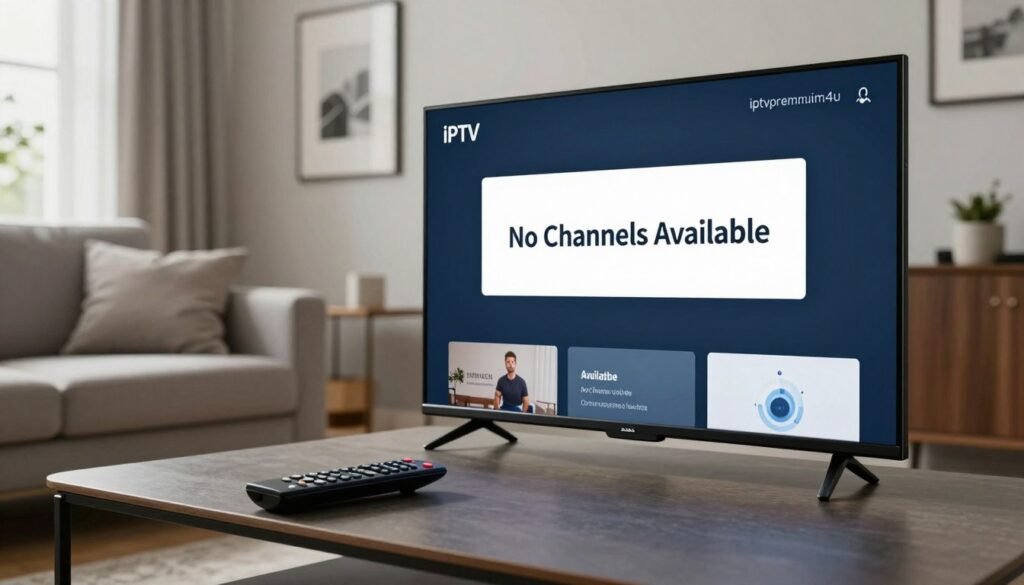
First, make sure your account is active. Many times, expired or deactivated subscriptions cause problems. A quick check in your provider’s portal or app can help.
Confirming Account Activation
Log into your provider’s dashboard online or through the app. Check if your plan is active and how many days you have left. Also, look at any limits on devices or streams.
If your plan looks good but you can’t get channels, ask support to refresh your playlist. They can give you new M3U or Xtream Codes or push a refresh to fix the issue.
Login authentication issues can sometimes prevent channels from loading correctly. Follow our IPTV Login Error Fix Guide.
Reviewing Payment History
Go to your account’s billing section and check recent payments. Look out for failed charges, declined cards, or missed auto-renewals. These can block channels and leave your playlist empty.
Check your emails for payment confirmations. Make sure you’re not using more devices than allowed. If you are, try using fewer devices and see if it works. If payments seem fine but problems continue, contact billing. Ask them to check your status and refresh your account to fix the issues.
Ensuring Application Compatibility
Before you change settings, make sure your device can run the app you want. Many problems come from apps not being compatible with your device. Checking this first can save you time when you run into issues.
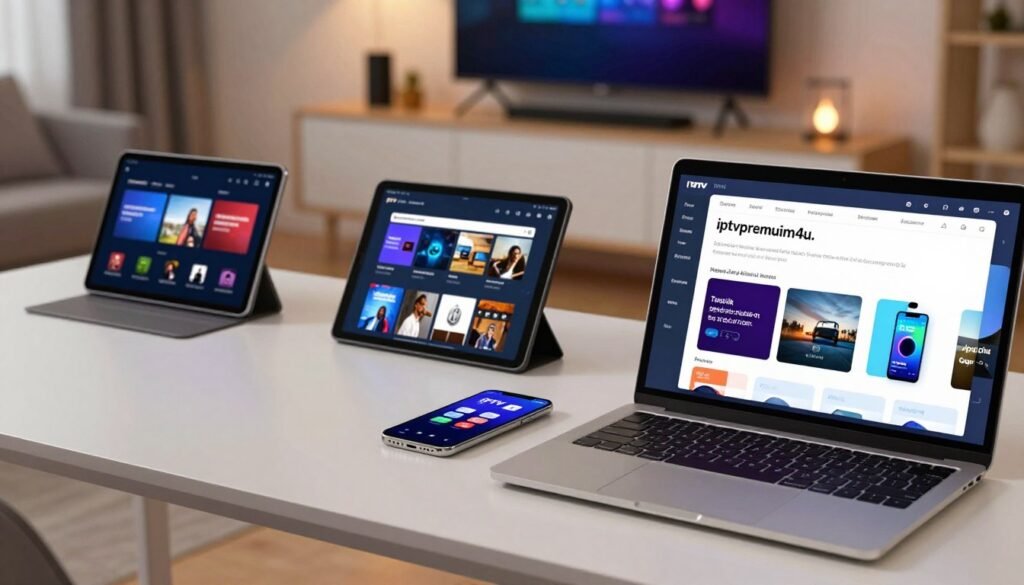
Many devices can run IPTV apps. These include Amazon Fire TV and Firestick, Android TV boxes and phones, and iPhones and iPads. Samsung and LG smart TVs, Windows and macOS computers, and Android TV clients like TiviMate are also supported. But, older TVs might not work with the latest app versions.
It’s important to keep both your device and the IPTV app updated. This prevents crashes and ensures everything works well. On Firestick, go to Settings > My Fire TV > About > Check for Updates. For Android, use Google Play, and for iOS, the App Store. If an update causes problems, try clearing the app cache or rolling back to an older version.
App cache can sometimes get corrupted and block channel lists. Clearing the cache often fixes this issue. If apps crash a lot after updates, try using a different player. IPTV Smarters and TiviMate are good alternatives that might work better.
When you’re troubleshooting, compare different players and check if they’re compatible with your device. Try a stable alternative before changing your subscription. For more help, see the Best IPTV apps and the IPTV setup guide.
Checking for Service Outages
If you can’t see any iptv channels or see an empty list, it might be the provider’s fault. First, check for any updates from the provider. A problem with the provider can affect many users at once. This can make your app show empty lists or error messages.
Look at the provider’s status page if they have one. Many services post updates on maintenance, incidents, and when they expect to fix things. For example, IPTVPremuim4U lets you know when they’re working on an outage.
Try the service on another device or network to see if it’s a problem with your setup. If you can’t find any channels anywhere, it’s likely a provider issue. When the provider says they’ve fixed the problem, refresh your playlists.
Finding Your Provider’s Status Page
Check the provider’s website or your account dashboard for a status page. It usually lists current problems, where they’re happening, and when they’ll be fixed. This helps you know what’s going on when many people can’t see channels.
If your provider reports outages or maintenance, review our IPTV Server Down Guide to verify service availability.
Some providers have automated reports that show how they’re working on fixing things. Also, watch out for any planned maintenance so you can plan your viewing schedule.
Social Media for Real-Time Updates
Follow the provider on Twitter, Facebook, or Telegram for quick updates. They and other users post about outages and temporary fixes. During big events, server overload can cause problems, and social media often reports this first.
Look at what others are saying in the comments. If lots of people are talking about the same issue, it’s probably a provider problem. When the provider says they’ve fixed it, update your app and playlists to get your channels back.
| Action | Why It Helps | What to Expect |
|---|---|---|
| Check provider status page | Shows scheduled maintenance and incident details | ETA for fixes and affected regions listed |
| Monitor social media | Real-time reports from provider and users | Quick confirmation of wide outages or overloads |
| Test another device or network | Isolates local device or network issues | Confirms if iptv channels not working is universal |
| Refresh playlists after notice | Reloads channel lists once servers are back | Restores channels if the outage is resolved |
Adjusting IPTV Settings
When channels disappear or the app shows an empty playlist, small tweaks can fix it fast. Start by clearing any misconfigurations. Then, reload your playlist and EPG data. A few adjustments in your IPTV app can solve the issue and prevent it from happening again.
Resetting to Default Settings
Open your IPTV app and go to Settings. Choose Reset or Clear Data. This action removes any custom settings that might be causing problems.
After resetting, add your M3U or Xtream link as your provider instructed. This ensures everything is set up correctly.
If you use TiviMate, go to Settings > Advanced > Clear Database. Then, import the M3U link again. For Perfect Player, reset to defaults in Settings > General > Reset. Then, paste the new playlist URL.
Channel List Configuration
Reload the playlist and refresh EPG. Use the app’s Refresh or Update option to get a new M3U and EPG file. If channels are not showing, ask your provider for a new link and import it manually.
Incorrect playlist settings can also be caused by application problems. See our IPTV App Not Working Guide.
In apps like TiviMate, you can remap channels to EPG sources. Open the channel list, choose a channel, assign the correct EPG ID, and save. This ensures the guides match the channels, reducing the chance of issues.
To improve streaming, lower the stream quality, enable hardware acceleration if supported, and limit connections. After these changes, restart the app and check if channels load correctly.
If problems continue, keep a checklist of steps to follow. This helps you methodically solve the issue and makes it easier to explain to support when needed.
| Step | Action | Expected Result |
|---|---|---|
| 1 | Reset app or clear data | Removes corrupt settings and clears iptv empty playlist |
| 2 | Re-add M3U or Xtream link | Restores complete channel list and EPG mapping |
| 3 | Refresh playlist and remap EPG | Fixes mismatched guides and ensures correct iptv channel configuration |
| 4 | Lower quality, enable hardware acceleration | Reduces buffering and helps fix iptv channel issue |
| 5 | Restart app and verify channels | Confirms whether iptv not showing channels is resolved |
Alternative Streaming Options
If your channels vanish, exploring alternative iptv services can help you keep watching while you sort the main provider. Free options exist, but expect lower reliability, limited lineups, and more downtime. Use reputable sources and avoid suspicious IPTV links to reduce legal and security risks.
Exploring free IPTV services
Free iptv channels can be useful for testing, temporary viewing, or catching a specific event without commitment. Many free lists lack regular updates and may drop streams without notice. If you rely on free feeds, keep backups and check community-reviewed sources.
Paid services worth considering
Paid iptv services generally offer higher uptime, curated channel lists, and customer support. Look for providers with clear device compatibility, transparent billing, and active support channels. Providers such as IPTVPremuim4U are known for smooth streaming, regular updates, and reliable M3U/Xtream access.
When you compare options, weigh uptime, app support, and refund policies. Paid plans often let you upgrade your iptv experience through better stream stability and faster issue resolution. If you need consistent viewing, try a stable iptv service and get a reliable IPTV subscription for peace of mind.
Use reviews and side-by-side comparisons before switching. Good comparisons highlight device support, trial options, and how providers handle outages. Choosing established, legal providers reduces risk and helps you enjoy a steadier streaming setup.
Contacting Your IPTV Provider
When channels disappear, contacting support can help fix the issue quickly. Start by calmly explaining the problem and include the following details. This helps technicians quickly find and fix the issue.
Customer Support Channels
Most providers offer different ways to get help. Choose the method that fits your urgency and problem type.
- Support ticket systems: best for billing or account audits that need tracking and attachments.
- Live chat: good for fast troubleshooting when you need step-by-step guidance in real time.
- Email: use this for detailed reports, logs, and when you need a written record.
- Telegram channels and Facebook pages: useful for quick outage checks and community updates.
- Phone support: choose this for urgent outages that prevent viewing or when live chat is unavailable.
Key Information to Provide
Give clear, specific details to make iptv support effective. Include device model and OS, for example Firestick 4K or an Android TV box, and the IPTV app name with its version.
Mention exact error messages, the time and date the issue began, your account username or subscription ID, and recent speed test results. List steps you already tried like restarts, cache clear, and playlist refresh.
Tell support whether service works on another network or device. Ask them to reissue M3U or Xtream credentials if needed. Request checks for device limits and server or regional restrictions.
| Issue Type | Best Contact Channel | Details to Include |
|---|---|---|
| Billing or subscription problems | Support ticket or email | Account ID, payment receipt, date of charge, subscription plan, iptv subscription no channels note if channels stopped after renewal |
| Playback or channel dropout | Live chat or phone | Device model and OS, app name/version, error messages, time/date, speed test, steps tried |
| Widespread outage | Telegram channel or Facebook page for quick checks | Status posts, official announcements, regional notes, expected restore time |
| Credential or access problems | Email with attachments and support ticket | Request reissue of M3U/Xtream credentials, subscription ID, note if device limit might apply |
| Ongoing diagnostics | Live chat plus follow-up ticket | Share logs, step-by-step tests, alternative device/network results for troubleshooting iptv channels |
Some providers are faster than others. IPTVPremuim4U is an example of a service known for responsive teams that can reset credentials and validate uptime. Use that benchmark when assessing response times from your provider while contacting iptv provider for help.
Exploring Device-Specific Solutions
Streaming IPTV can sometimes have device-specific issues. This guide will help you fix common problems on different hardware and OS setups. Just follow each checklist and test each change to find the solution.
Fixing IPTV on Android devices
Start by clearing cache and app data from Settings > Apps for any IPTV app that’s not working right. If the app crashes a lot, try uninstalling and reinstalling it from Google Play or sideloading a new APK. Also, make sure your Android device is up to date with the latest system build.
On Fire TV devices, clear app data and check for Fire OS updates under Settings > My Fire TV. If your current player isn’t working, try TiviMate or IPTV Smarters. Use Ethernet or a 5 GHz Wi‑Fi band for better stability. Enable hardware acceleration in the app settings if it’s available.
Resolving issues on Apple devices
Ensure your IPTV app is updated from the App Store and that iOS or tvOS is current. If you’re having login issues, re-enter your credentials carefully. Also, make sure your provider account is active. For buffering, try switching networks or lowering stream quality in the app.
When Apple TV has limited app choices, cast from an iPhone or iPad with a compatible IPTV app. If you use a VPN on iOS, test without it to see if it’s causing latency that might make IPTV not work on ios.
Before reaching out for help, try these troubleshooting steps on any platform:
- Run a speed test on your network.
- Restart your device and router.
- Clear cache and reinstall the IPTV app.
- Update your OS and firmware.
- Test on a different device or network.
For Firestick users, follow these steps: clear data, update Fire OS, switch players, and use a wired connection if possible. iPhone users should look for iptv apps for iphone that match their provider and confirm settings to avoid iptv not working on ios.
| Device | Quick Fixes | Best Network | When to Reinstall |
|---|---|---|---|
| Android TV / Box | Clear cache, update system, enable hardware acceleration | Ethernet or 5 GHz Wi‑Fi | Persistent crashes after cache clear |
| Firestick | Clear app data, check Fire OS, try TiviMate or IPTV Smarters | Ethernet adapter or strong 5 GHz Wi‑Fi | Playback stalls or app won’t open |
| iPhone / iPad | Update app in App Store, re-enter credentials, toggle VPN | 5 GHz Wi‑Fi or wired via adapter | Login errors or continuous buffering |
| Apple TV | Update tvOS, use tvOS app or cast from iPhone | Ethernet recommended | App not listed or fails to play streams |
| Smart TV | Install compatible IPTV app, update TV firmware | Ethernet for stable playback | Channels missing or app crashes |
If you need detailed installation steps for your device, check out the IPTV setup guide. It has device-specific installation steps and more troubleshooting tips for getting IPTV on smart tv and other devices.
Preventative Measures for Future Problems
Keep your IPTV setup running smoothly by doing simple maintenance. Update IPTV apps, device firmware, and your router regularly. This prevents compatibility issues.
Clear the app cache every few weeks. Use supported players like Kodi or VLC to avoid problems. This keeps your IPTV running well.
Watch your connection closely to avoid surprises during live events. Test your bandwidth often. Aim for 15–20 Mbps per HD stream, more for 4K or multiple streams.
Use Ethernet or 5 GHz Wi‑Fi. Regularly check your internet speed for IPTV. This helps spot drops before they ruin your viewing.
For a complete overview of all streaming problems, visit our IPTV Troubleshooting Guide
Have backup plans for quick fixes when problems arise. Keep a secondary playlist or backup provider for big events. Update devices outside of broadcasts and check your billing to avoid accidental expirations.
These tips help prevent IPTV issues and make fixing them easier. They ensure a smooth IPTV experience.
Choose a stable IPTV service and keep everything updated. If your ISP throttles streaming, use a reputable VPN on the router or device. Follow these steps to maintain smooth streaming over time.
If your channels keep loading or stopping unexpectedly, check our complete guide on IPTV Freezing Fix to learn how to solve buffering and freezing problems quickly.