How to fix IPTV not working is one of the most searched questions among streaming users in 2026. Whether you’re dealing with connection issues, buffering, login errors, or app crashes, this guide will walk you through the most effective solutions.
This complete IPTV troubleshooting guide will help you identify the most common causes of IPTV issues and show you proven fixes that work across all devices. Follow the steps below to get your IPTV service running smoothly again.
By following our structured troubleshooting steps, you’ll learn how to optimize your setup. This will help you meet the high-definition demands of today’s digital landscape. Whether you’re using a smart TV or a dedicated box, understanding these concepts is crucial for uninterrupted entertainment.
Table of Contents
Key Takeaways
- Identify common issues affecting your streaming experience.
- Learn actionable steps to troubleshoot your device.
- Understand how to optimize your app for better performance.
- Get tips to maintain a seamless viewing experience.
- Empower yourself with knowledge to resolve playback errors.
How to Fix IPTV Not Working: Understanding the Root Cause
Is your streaming experience falling short of expectations? Understanding the root cause of IPTV problems is the first step in the troubleshooting process for any home user. Many factors can trigger issues, and identifying them is crucial for a quick resolution.
If you’re wondering how to fix IPTV not working problems, start by checking your internet connection and device settings.
One common problem arises from outdated device firmware, which can lead to significant interruptions in your viewing experience. Additionally, a seamless streaming experience heavily relies on the stability of your internet connection and the proper configuration of your chosen app.
By recognizing early signs of technical issues, you can prevent total service failure. Our troubleshooting methodology focuses on isolating the specific component causing the failure, whether it is the software, hardware, or network. Regular monitoring of your system is essential to ensure that all components are functioning optimally.
Learning how to fix IPTV not working issues can help restore your streaming service quickly without professional assistance.
| Issue | Potential Cause | Resolution Steps |
|---|---|---|
| Buffering | Slow internet speed | Test your internet speed and upgrade if necessary |
| App Crashes | Outdated app version | Update the app to the latest version |
| No Signal | Network connection issues | Restart your router and check connections |
How to Fix IPTV Not Working: Diagnosing Internet Connection and Network Issues
Are network issues disrupting your viewing experience? If you’re wondering how to fix IPTV not working problems, checking your internet connection is one of the most important first steps. A stable internet connection is essential for smooth streaming. Experts recommend a minimum of 10 Mbps for HD content and 25 Mbps for 4K streaming. Ensuring your connection meets these standards can help resolve many IPTV issues quickly.
To begin learning how to fix IPTV not working issues, perform a speed test using tools like Speedtest.net. This will help you verify whether your internet connection meets the required streaming thresholds. If your speeds are lower than recommended, upgrading your internet plan or optimizing your network setup may significantly improve IPTV performance.
Another important step when learning how to fix IPTV not working issues is restarting your router. This simple action often resolves temporary network congestion and connection problems. If you’re still experiencing buffering or interruptions, switching from a wireless connection to a wired Ethernet cable can significantly improve network stability and streaming performance.
Many users notice that their internet speed fluctuates during peak hours, which can affect streaming quality and overall performance. If you’re trying to understand how to fix IPTV not working problems, optimizing your home network is essential. Position your router correctly and prioritize streaming traffic in your router settings to ensure your device receives the bandwidth needed for smooth, high-quality video playback.
Network instability is one of the most common reasons IPTV stops working. Read our IPTV Connection Problems guide for advanced troubleshooting.
How to Fix IPTV Not Working: App Settings and Cache Data
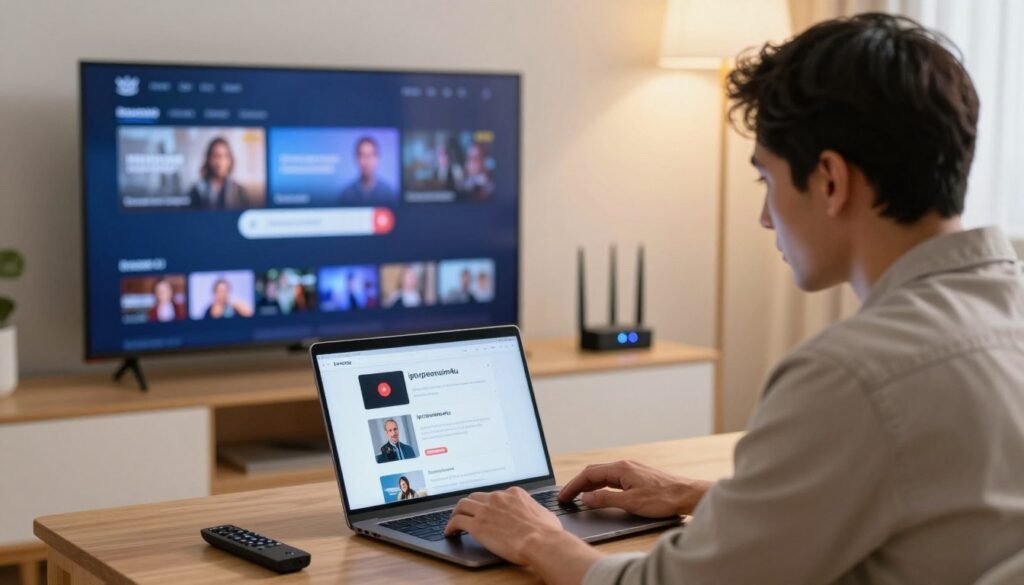
Do you find yourself dealing with frustrating app problems during your viewing experience? If you’re looking for how to fix IPTV not working issues, reviewing your app settings should be one of the first troubleshooting steps. Start by ensuring that your IPTV app is updated to the latest version, as outdated software can cause compatibility problems with your device’s operating system and firmware.
Another effective method is to regularly clear the app cache. This process removes temporary files that can accumulate and cause your IPTV app to crash unexpectedly. If you encounter persistent errors, consider adjusting your resolution settings. Lowering the resolution from 4K to 1080p can alleviate buffering when bandwidth is limited.
- Make sure your IPTV app is updated to avoid compatibility issues.
- Regularly clear the cache to improve app performance.
- Adjust resolution settings to enhance stream stability.
- Manage cache data effectively to keep your app responsive.
- Switch to software decoding if experiencing black screen issues.
- Optimize your IPTV apps for a reliable viewing experience.
How to Fix IPTV Not Working: Device Performance and Firmware Updates
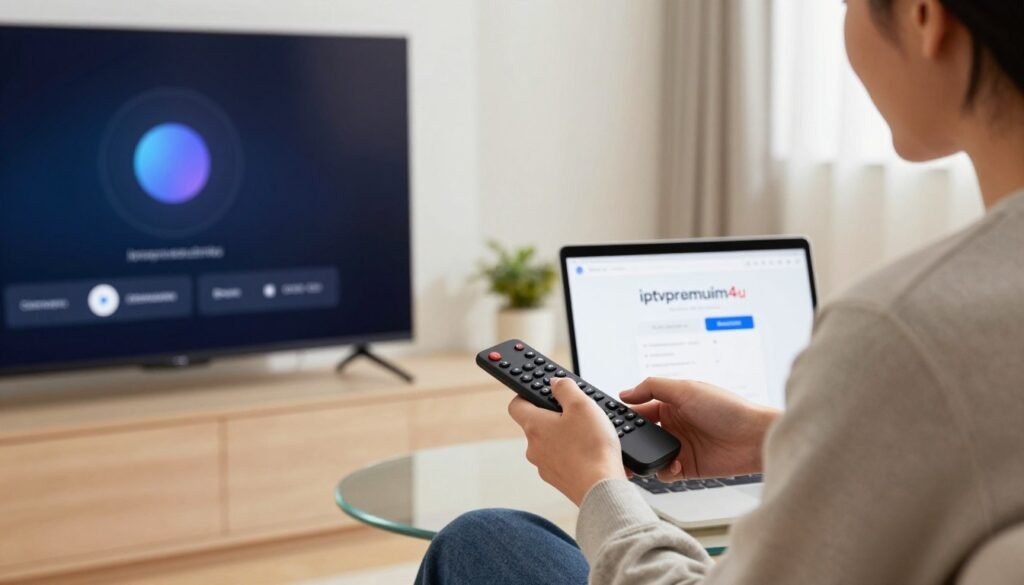
Is your device lagging during your favorite shows? Keeping your streaming device in top shape is essential for an enjoyable viewing experience. Manufacturers regularly release firmware updates to enhance compatibility and improve performance.
You should make sure that your streaming device is running the latest firmware. This helps maintain compatibility with modern service requirements and security standards. A simple device restart can also clear temporary memory leaks that may cause performance issues during long streaming sessions.
If your device is over four years old, it might struggle with high-resolution streams. This can lead to frequent crashes and software instability. Regularly checking for updates ensures your hardware can handle the latest codecs used by your provider.
By optimizing your device settings and disabling background applications, you free up processing power. This is essential for a smooth and responsive viewing experience. Maintaining your hardware through consistent updates is a proactive way to prevent common technical problems.
Managing Server-Side and Provider-Related Challenges
Are you experiencing disruptions in your streaming service? Understanding server-side issues is crucial for maintaining a seamless viewing experience. Often, these problems arise from maintenance or outages conducted by your IPTV provider.
When you cannot access a specific channel, it is likely due to a server-side issue. In such cases, you may need to wait for your provider to complete their maintenance. Contacting customer support is essential if you suspect a widespread outage affecting your service.
Another effective solution is to adjust your DNS settings. Switching to public DNS servers like Google (8.8.8.8) or Cloudflare (1.1.1.1) can help resolve connection timeouts and improve channel loading times. If issues persist, check with your provider to see if they have updated their server addresses, as this can also lead to connection problems.
Reliable providers typically communicate server status updates through their official channels. This information can help you manage your expectations during periods of downtime. Understanding that the problem might be at the provider’s end can save you from unnecessary troubleshooting of your own network.
Effective Solutions for iptv not working Problems
Have you encountered frustrating issues with your streaming service? Troubleshooting effectively can restore your viewing experience. The first step is to verify your subscription status. This is often overlooked, yet expired plans are a common reason for channels failing to load.
Using the correct username and password is equally important. A single typo can trigger an authentication failure message, leading to unnecessary frustration. “Attention to detail is key,” as even minor errors can disrupt your access.
To tackle these issues, follow a structured troubleshooting process. Start by checking your internet connection speed. A stable connection is vital for maintaining stream quality. If possible, use an Ethernet cable to enhance connectivity.
- Clear your app cache and cache data regularly. This simple step can resolve loading issues for channels that previously worked fine.
- If your subscription has expired, contact customer support or visit your provider’s portal to renew your service.
- By systematically checking each component, you can often resolve most issues without needing external technical assistance
If you are seeing authentication or account access issues, follow our IPTV Login Error guide for detailed troubleshooting steps.
Enhancing Streaming Quality and Reducing Buffering
Is buffering ruining your enjoyment of your favorite shows? Improving your streaming quality can make a significant difference. By adjusting your settings and managing your network, you can create a smoother viewing experience.
If your playlist loads but channels are missing, check our IPTV No Channels fix guide for proven solutions.
One effective strategy is to reduce your stream quality from 4K to 1080p during high-traffic periods. This simple change can help eliminate buffering and ensure uninterrupted viewing. Additionally, using the 5GHz band on your router minimizes interference from other devices, leading to a more stable connection.
Adjusting Stream Quality Settings
- You should make sure that your router is configured to prioritize IPTV traffic, ensuring high quality even when other devices are active.
- Select a lower stream quality during peak hours to avoid frustration from frozen screens.
Managing Network Congestion
- Limit simultaneous downloads to allow your device to dedicate more bandwidth to streaming content.
- If you are using multiple IPTV apps, ensure that only one is active at a time to prevent bandwidth competition.
Advanced Buffer and Decoding Options
- Adjusting your app’s buffer settings to a higher value can provide a smoother experience by allowing more data to load before playback begins.
- A high-performance router is essential for managing the demands of modern streaming, especially with multiple devices connected.
Streamlining IPTV on Smart Devices and Supporting Accessories
Are you finding it challenging to optimize your streaming setup across multiple devices? Modern IPTV services are designed to work seamlessly on various platforms. However, ensuring compatibility is key to enhancing your viewing experience.
You should make sure that your IPTV provider supports multi-device compatibility. This allows you to switch effortlessly between your smart TV and mobile device. Customizing your interface within your IPTV app can save you time when searching for your favorite channels or recorded content.
If you are traveling, using a VPN can help you access your services. Just be aware that it may introduce latency that affects your stream quality. Modern streaming software is intuitive, but ensuring your hardware is compatible is crucial to avoid performance issues on older smart devices.
By using high-quality accessories like a dedicated router, you can enhance the overall performance of your IPTV setup. Regularly updating your apps and firmware ensures that your multi-device experience remains consistent and free from common errors.
If your IPTV keeps loading or freezing, our guide about IPTV buffering causes explains the most effective fixes.
Conclusion
Have you ever felt frustrated by interruptions in your viewing experience? By following this guide, you have learned how to diagnose and resolve common issues that may affect your streaming. Maintaining a stable internet connection and keeping your app cache clear are key strategies to prevent playback problems.
If you encounter persistent errors, remember that your IPTV provider’s customer support team is there to assist with complex issues. Regularly updating your device firmware and app settings ensures you continue to receive high-quality content without interruptions.
We hope this guide has empowered you to take control of your streaming setup. Enjoy your favorite channels with peace of mind. Should you need further assistance, our experts at IPTV Level Up are always ready to help you get back to your entertainment quickly.
For a complete overview of IPTV issues, visit our IPTV Troubleshooting Guide covering buffering, login errors, missing channels, connection failures, and more.